How an Invisalign Treatment Can Transform Your Smile
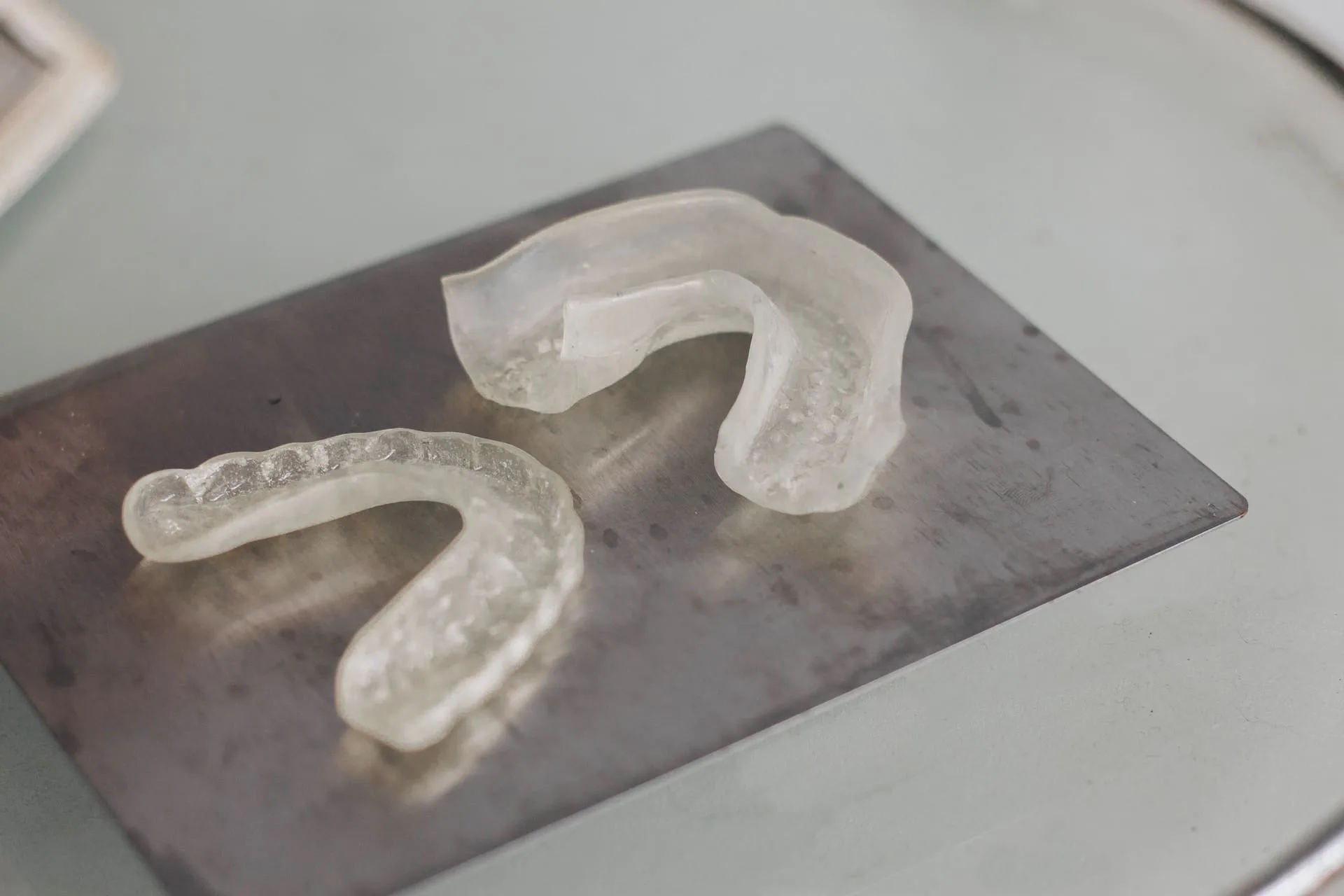
Orthodontic treatment can significantly improve oral health and self-confidence. Invisalign has revolutionized the world of orthodontics with its discreet and convenient clear aligners, offering an attractive alternative to traditional braces. At Pike District Smiles, our team of dental professionals is committed to providing personalized orthodontic solutions using Invisalign, helping you achieve a straighter and healthier smile. In this blog, we will examine the benefits and functionality of the Invisalign system, detail the treatment process, and provide insights on determining if Invisalign is the ideal orthodontic solution for you. The Unique Advantages of Invisalign Invisalign boasts several benefits that set it…
Bring Back Your Smile: The Comprehensive Guide to Dental Implants at Pike District Smiles
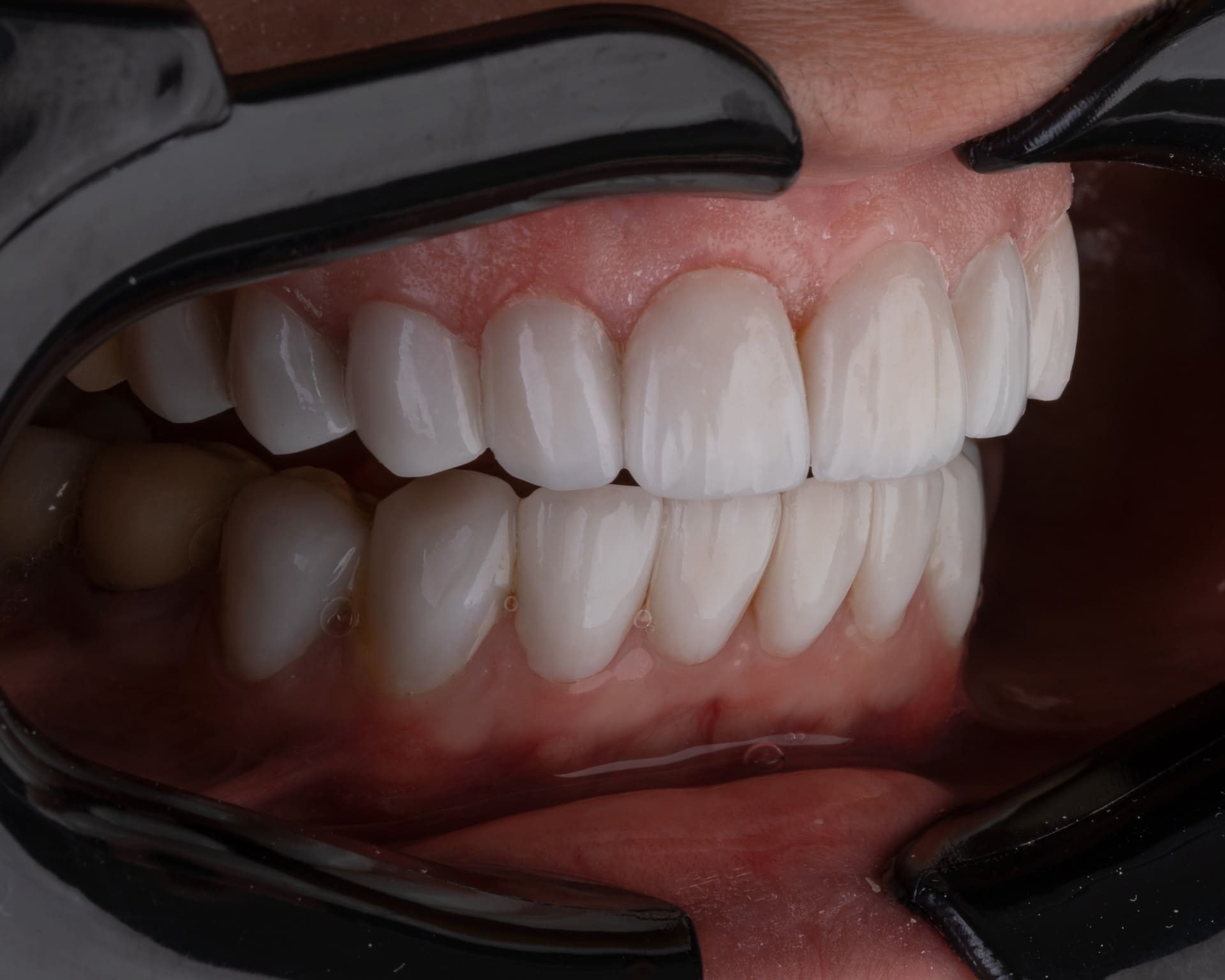
Tooth loss can significantly impact your life, from chewing difficulties to the embarrassment of an incomplete smile. Fortunately, dental implants provide a state-of-the-art tooth replacement solution that restores both function and aesthetics, allowing you to face the world with confidence once more. At Pike District Smiles, our team of dental professionals is committed to offering comprehensive dental implant services, guiding you through the entire implant process, from consultation to restoration. In this blog post, we will delve into the world of dental implants, discussing their design, the procedure, and the multitude of benefits they provide in comparison to alternative tooth…
Overcoming Dental Anxiety with Sedation Dentistry
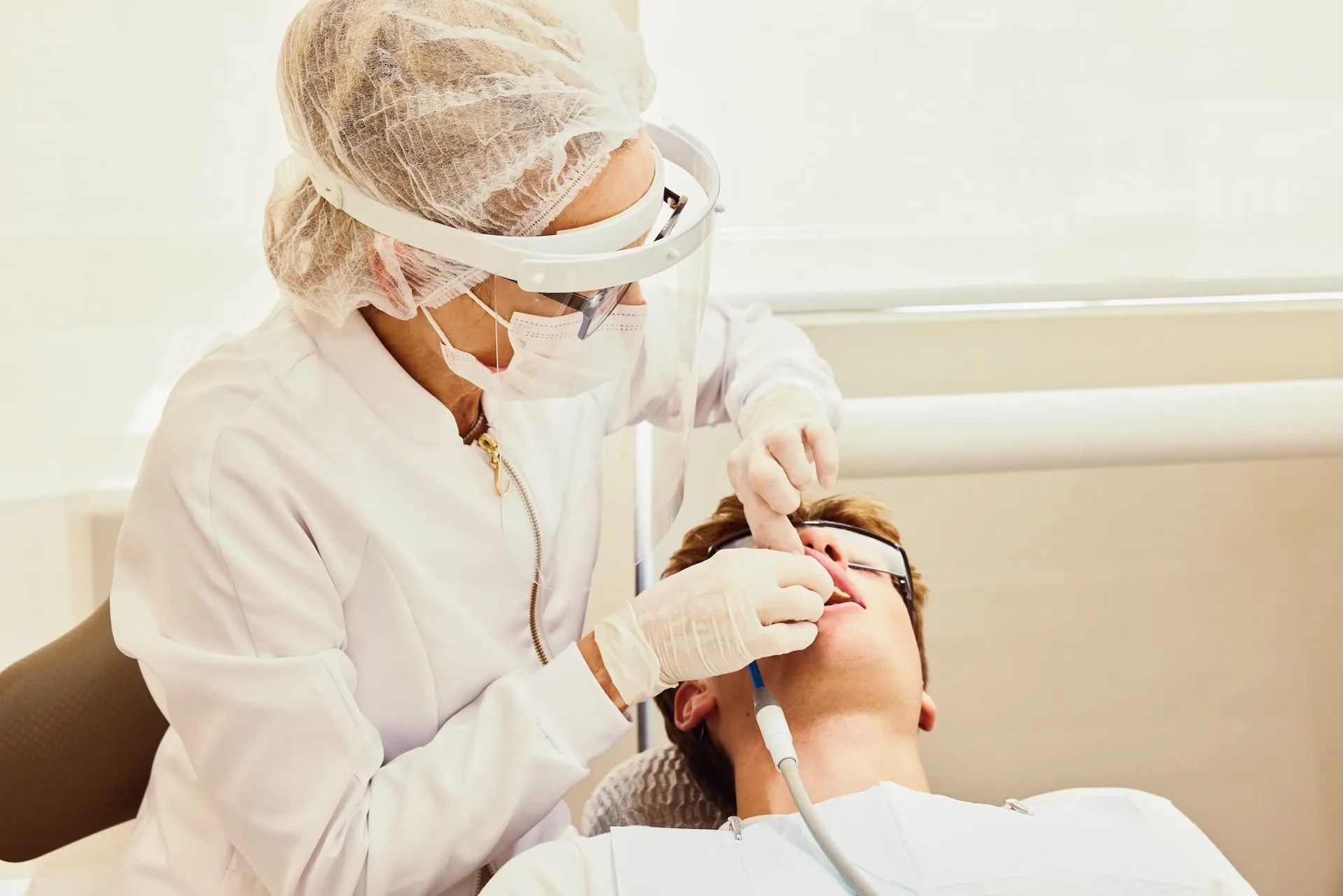
Dental anxiety is a common fear affecting many individuals worldwide, causing them to avoid seeking dental treatment even when needed. This fear might stem from various reason. However, dental anxiety should not hinder individuals from taking care of their oral health. That’s where sedation dentistry comes in. Sedation dentistry is a technique used to help patients relax and calm their nerves during dental procedures. This article will explore how sedation dentistry can help individuals overcome their dental anxiety. Causes of Dental Anxiety Dental anxiety can arise from various reasons, including fear of pain, needles, and losing control. Patients may also…
Stopping Tooth Decay: How Your Dentist Uses Fillings
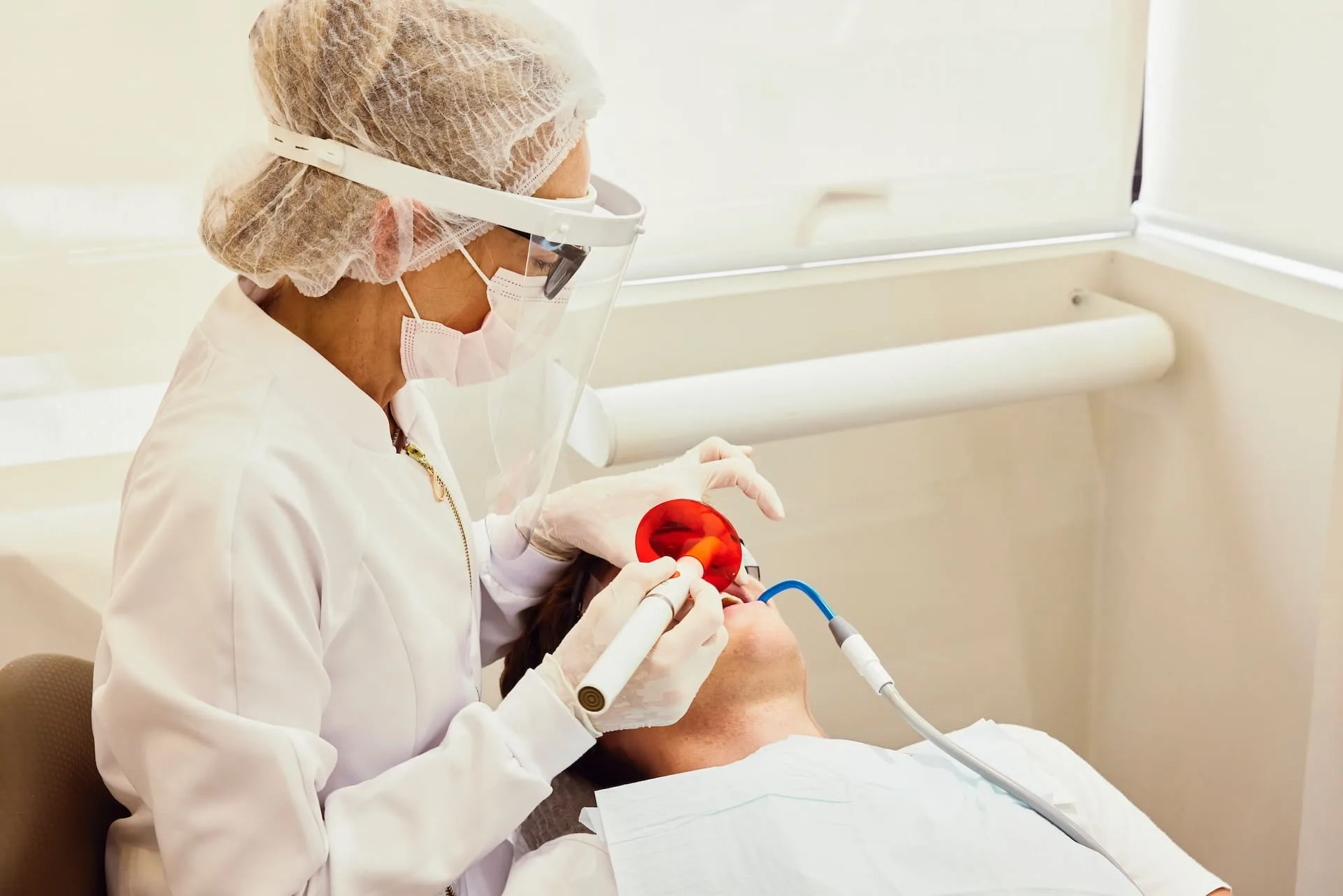
The prospect of visiting a dentist for a dental filling might send shivers down your spine, but with the advancement in dentistry, it’s not as scary as it was before. Dental fillings have undergone a significant transformation, and your cosmetic dentist now uses these to not only restore your tooth but also to prevent further tooth decay. Understanding Tooth Decay Tooth decay, also known as caries, is a dental disease where your tooth enamel gets damaged due to the acidic substances produced by bacteria in your mouth. These bacteria feed on the food particles left on your teeth, leading to…
Cosmetic Dentistry: Transforming Your Smile and Confidence
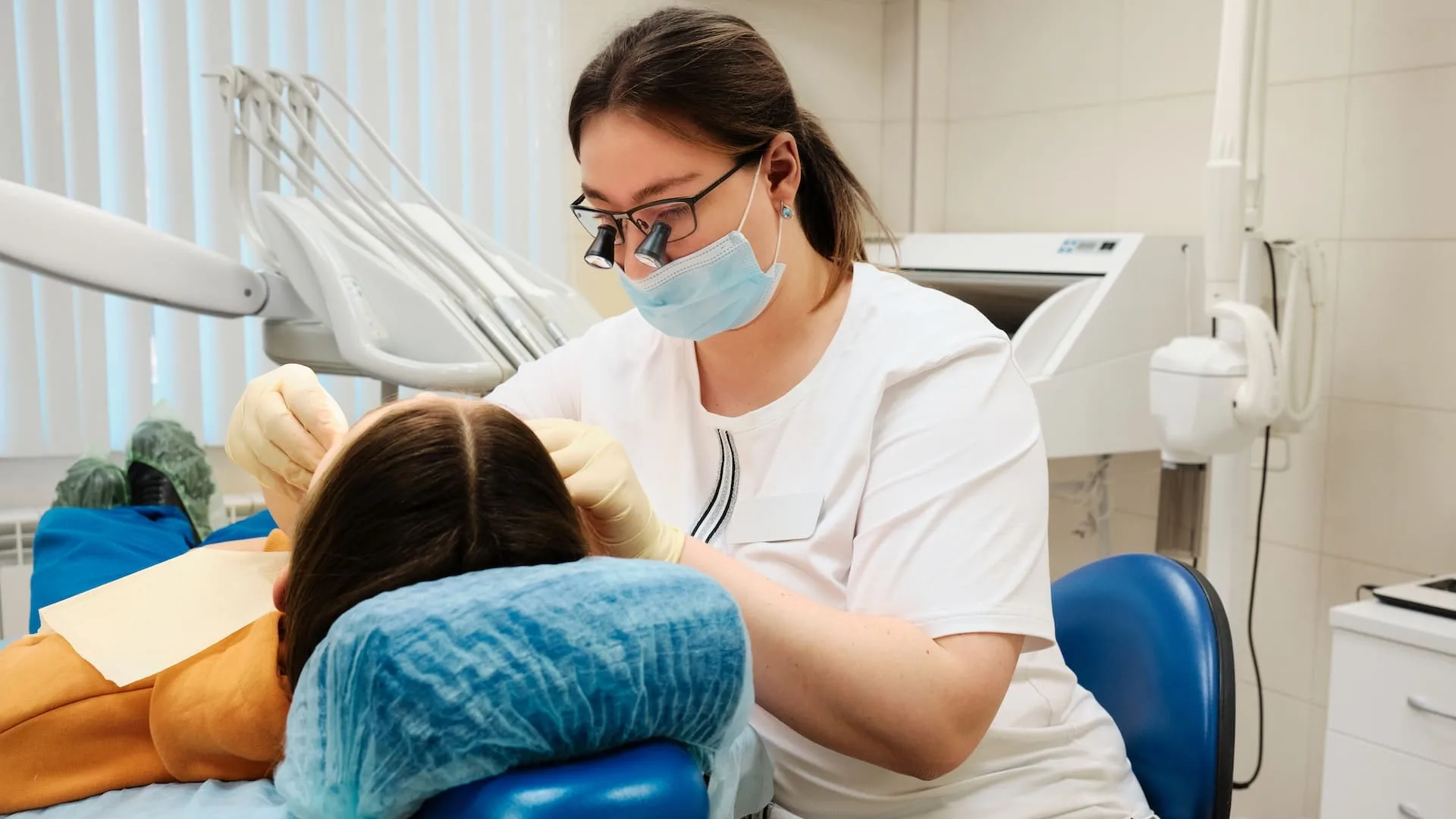
Cosmetic dentistry focuses on improving the aesthetics of your teeth, gums, and bite. It includes a range of dental procedures that can help enhance your smile and boost your confidence. Cosmetic dentistry can address various dental issues, including discolored, chipped, cracked, or missing teeth and misaligned bites. In this article, we will discuss how cosmetic dentistry can improve your self-esteem and quality of life. Cosmetic Dentistry Procedures Cosmetic dentistry offers various procedures to enhance the appearance of your teeth. Some of the popular cosmetic dentistry procedures include: 1. Teeth Whitening Teeth whitening is a simple yet effective way to brighten…
Dental Bridges: A Solution for Restoring Your Smile
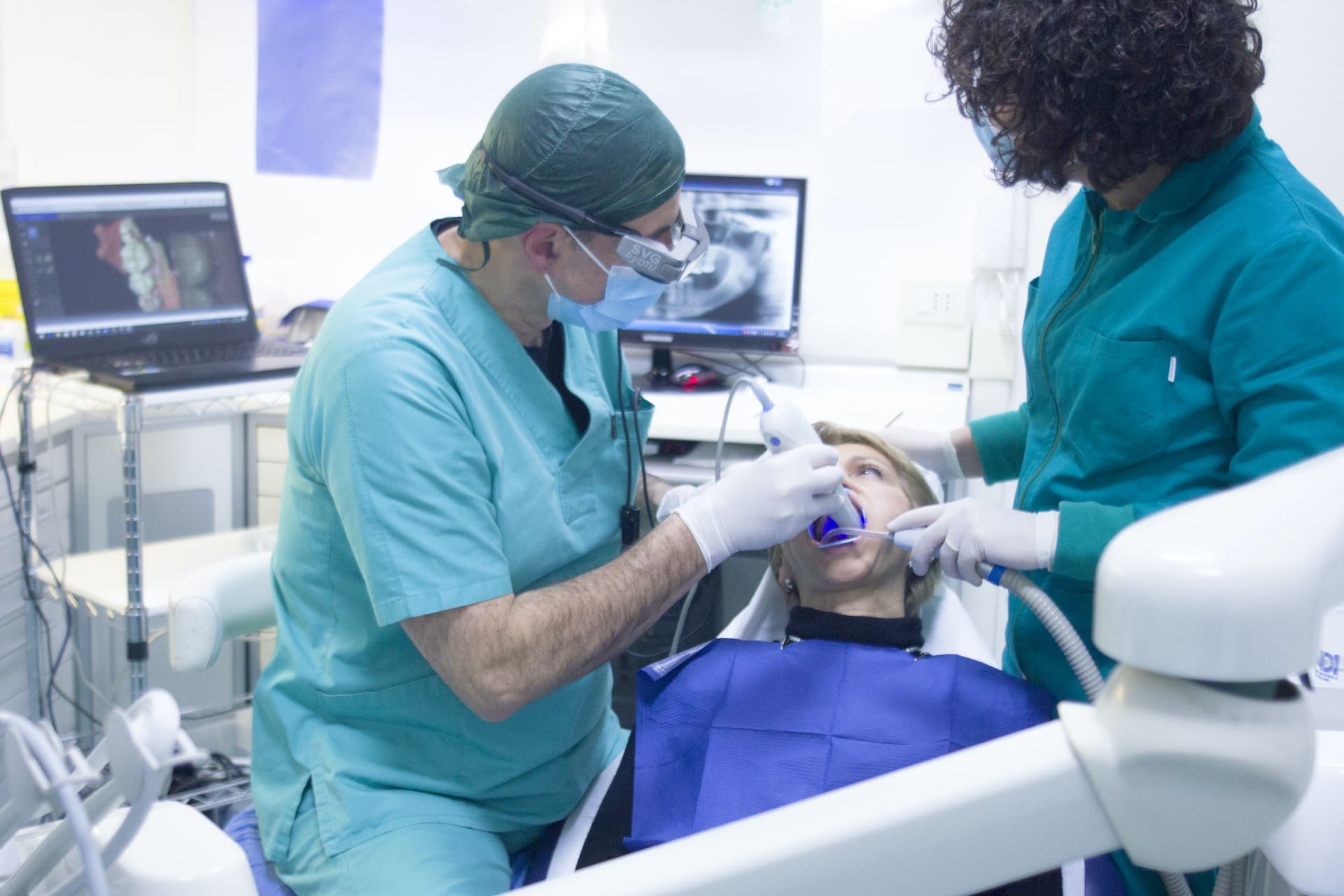
Concerning dental health, preserving a lovely smile is just as important as ensuring proper oral hygiene. Unfortunately, missing teeth can significantly impact your self-confidence and overall well-being. Thankfully, dental bridges provide a dependable option for enhancing your dental health and bringing back your beautiful smile. In this article, we will delve into everything you need to know about dental bridges, from their purpose and benefits to the various types available and the procedure involved. Understanding Dental Bridges Dental bridges are prosthetic tools utilized to fill in the gaps caused by one or more missing teeth. They are made up of…

Mastering Your Child’s Dental Health with Kid’s Dentistry in Rockville
Building a solid dental health foundation from a young age is crucial to ensuring your child enjoys a lifetime of healthy, happy smiles. Kid’s dentistry is addressing dental issues as they arise and encouraging preventive care, and fostering a positive attitude about dental visits. The Importance of Kid’s Dentistry Many parents wonder when they should begin taking their child to the dentist. According to the American Academy of Pediatric Dentistry, scheduling your child’s first dental visit within six months of their first tooth or by their first birthday is recommended. This early introduction to dental care can help prevent tooth…
Achieving a Picture-Perfect Smile in Bethesda with Invisalign
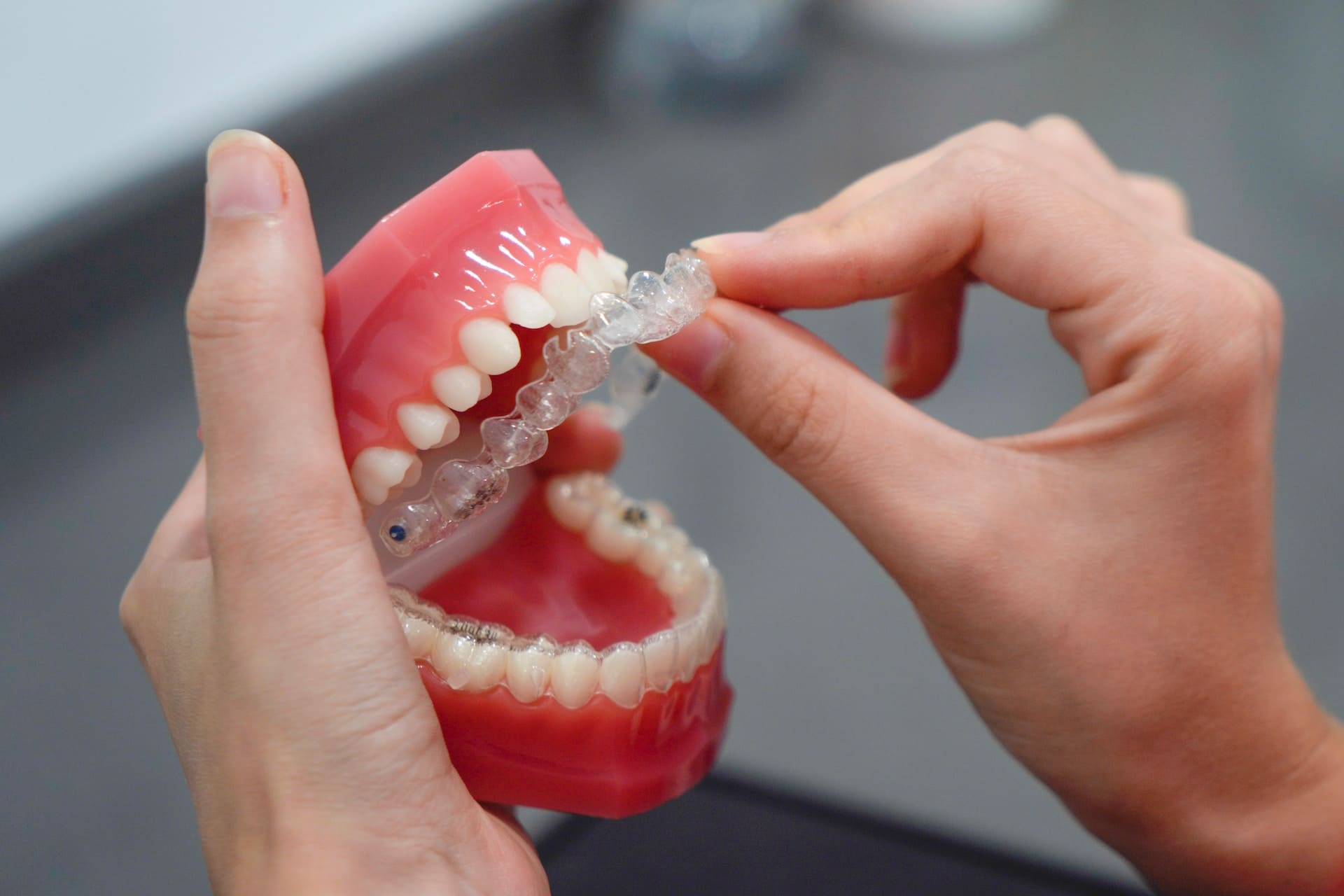
A healthy, straight smile is something most people dream of, but achieving it isn’t always simple. Traditional braces can be uncomfortable, unsightly, and a long-term commitment. Fortunately, dental technology has come a long way, and now there’s a better solution! Say hello to Invisalign, the virtually invisible aligner system that can help you attain your dream smile with ease. In this article, we’ll explore the benefits of Invisalign, the process, and why Pike District Smiles in Bethesda, MD, is the perfect place to start your Invisalign journey. Why Choose Invisalign Over Traditional Braces? One of the most significant advantages of…

Age Is Just a Number: Invisalign Treatment for All Ages
Invisalign is a popular orthodontic treatment option that uses clear, removable aligners to straighten teeth. It offers several benefits, such as improved oral hygiene, comfort, and convenience, compared to traditional braces. However, one common question is, “Is there a minimum or maximum age for Invisalign?” This article will explore the age limits for Invisalign and why it is a viable option for people of all ages. The Minimum Age for Invisalign The minimum age for Invisalign treatment is around 7 to 8 years old. This is the age when children start losing their baby teeth, and their permanent teeth begin…
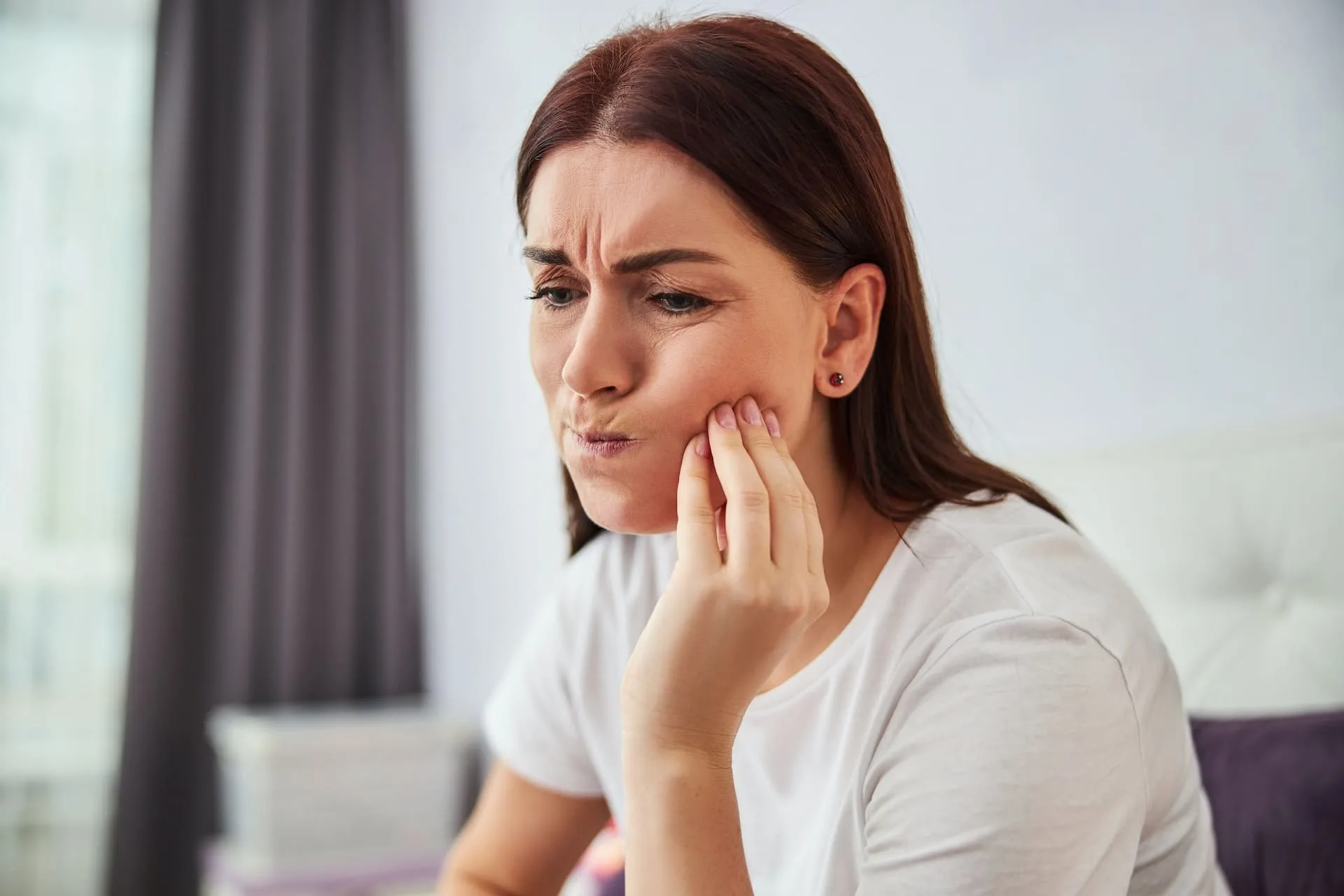
TMJ Disorder: Why Your Jaw, Face, and Neck May Be Sore
Temporomandibular Joint (TMJ) disorder is a condition that affects the jaw joint and the muscles that control the movement of the jaw. TMJ disorder can cause discomfort and pain in the jaw, face, and neck, making eating, speaking, and sleeping difficult. This article will discuss the symptoms and treatment options for TMJ disorder. Symptoms of TMJ Disorder The symptoms of TMJ disorder can vary from person to person, but some of the most common symptoms include: 1. Pain and Discomfort in the Jaw, Face, and Neck Pain and discomfort in the jaw, face, and neck are hallmark symptoms of TMJ…