
Guiding Your Child Through Their First Dental Visit: Tips for Parents

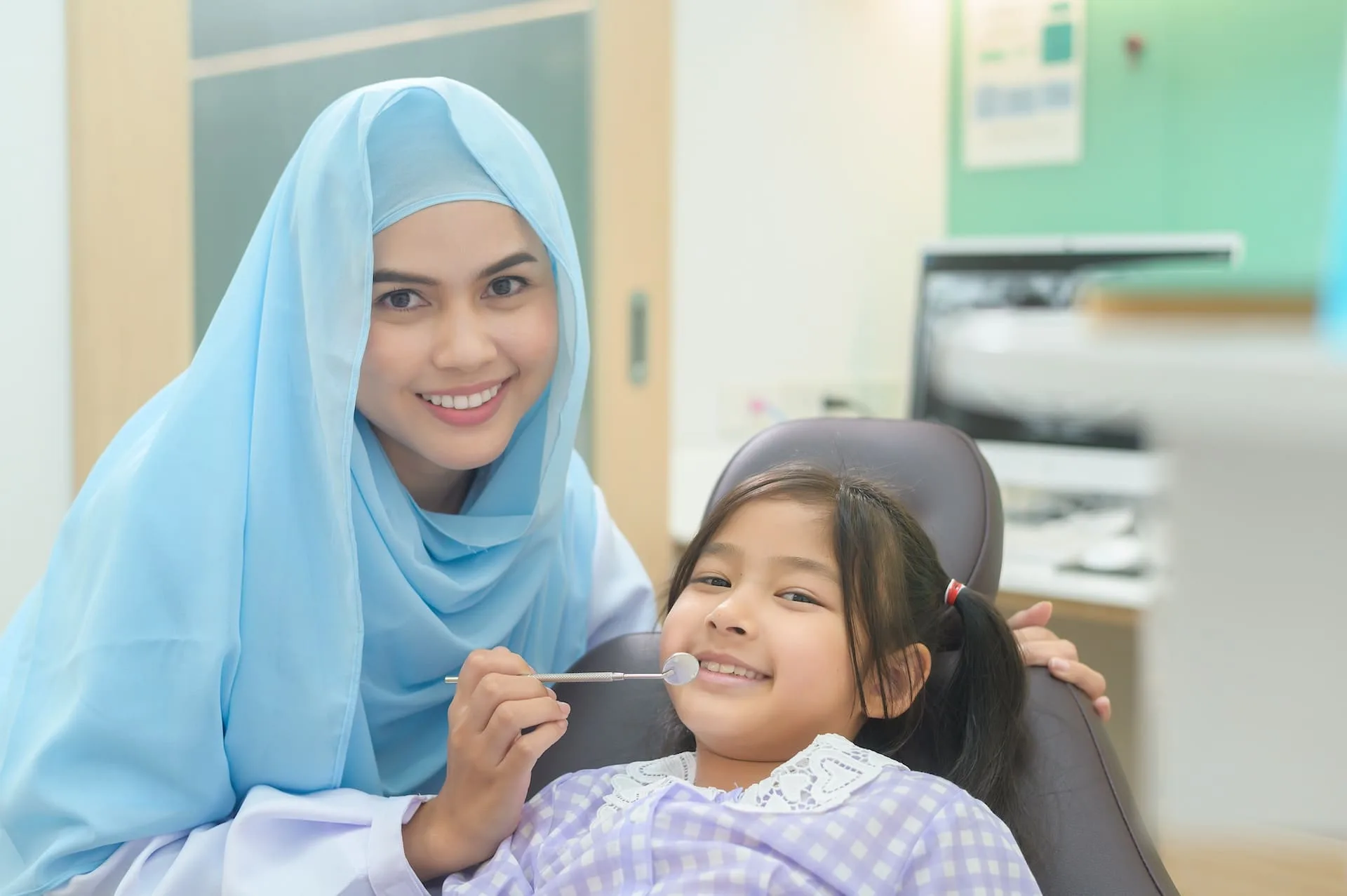
Ensuring your child’s dental health begins with an important milestone—their first dental visit. It’s essential to establish a strong foundation for good oral hygiene habits and create a positive relationship with dental care. As the American Academy of Pediatric Dentistry recommends, a child’s first dental visit should occur within six months of the eruption of their first tooth or by their first birthday.
At Pike District Smiles, we specialize in making your child’s first dental visit an enjoyable experience, fostering a welcoming environment that promotes trust and comfort. Our kid’s dentistry services are centered on delivering comprehensive dental care while making every effort to create a positive, engaging connection between your child and our dental professionals.
Nevertheless, your role as a parent is pivotal in shaping your child’s perception of dental visits and reinforcing the importance of maintaining good oral health. To assist you in preparing your child for this exciting new experience, we have compiled a list of valuable tips and insights in this comprehensive guide.
Learn how to ease your child’s anxieties, build excitement, and encourage a healthy attitude towards dental care, solidifying the groundwork for a lifetime of beautiful, happy smiles. From setting realistic expectations to celebrating the big day, follow our guide to ensure a seamless, stress-free first dental visit for both you and your child.
Setting the Stage: Discussing the Importance of Dental Visits with Your Child
- Use Age-Appropriate Language: Speak to your child in terms they can understand, using simple explanations about the purpose of a dental visit.
- Positive Reinforcement: Emphasize the benefits of dental checkups, such as having strong, healthy teeth and a beautiful smile.
- Engage in Storytelling and Role-Play: Use children’s books or engage in role-play scenarios to familiarize your child with visiting the dentist.
Preparing for the Big Day: Tips to Help Your Child Feel at Ease
- Acclimate Your Child to Dental Settings: Familiarize them with dental tools or equipment by watching age-appropriate videos showcasing dental visits. Be sure to explain that dental tools help keep their teeth clean and cavity-free.
- Build Excitement: Encourage a positive outlook on dental visits by discussing the fun aspects, such as choosing a toothbrush, learning about teeth-cleaning techniques, or receiving a sticker afterward.
- Visit the Dental Office Before the Appointment: Taking your child for a dental office tour can help them feel more comfortable in the environment. Schedule a time to drop by Pike District Smiles, meet the team, and familiarize your child with the surroundings before their appointment.
Be Mindful of Your Attitude and Language: Creating a Positive Atmosphere
- Stay Mindful of Your Words: Avoid using negative phrases like “pain,” “needles,” or “drilling” when discussing dental visits. Choose positive language to create an encouraging atmosphere.
- Be a Role Model: Demonstrate that you care for your oral health by maintaining healthy hygiene habits and expressing excitement about your own dental appointments.
- Stay Calm and Confident: On the day of your child’s first dental visit, displaying a calm demeanor and reassuring body language can help to alleviate any anxiety your child may feel.
Create a Rewarding Post-Visit Ritual: Celebrating a Successful Appointment
- Develop a Tradition: Form a unique post-dental visit tradition, such as enjoying a healthy treat or engaging in a fun family activity. This can make the visit more memorable and enjoyable for your child.
- Offer Specific Praise: Acknowledge your child’s courage and cooperation during the dental visit by offering specific praise, such as “You were so brave during your first dental visit!” or “I’m proud of how well you listened to the dentist’s instructions.”
- Encourage Sharing: Invite your child to share their dental visit experience with friends or family, reinforcing dental care’s positive aspects.
