11400 Rockville Pike #106 North Bethesda, MD 20852
Choosing the best pediatric dentist for your child involves more than finding the closest dental office. Parents should consider the dentist’s pediatric training, experience with children, preventive-care approach, communication style, office environment, and ability to make dental visits comfortable and age-appropriate.
For families in Bethesda, North Bethesda, Rockville, Kensington, Chevy Chase, Gaithersburg, Potomac, and Silver Spring, finding a trusted local dental provider can make it easier to establish consistent preventive care. The goal is to build a positive dental relationship early- not simply find a dentist when a problem appears.
A pediatric dentist is specifically trained to care for infants, children, and adolescents, including their developing teeth, gums, bite, and unique behavioral needs. The American Academy of Pediatric Dentistry (AAPD) describes pediatric dentists as providers with additional specialty training after dental school who focus on children’s oral health.
Children are not simply small adults. Their mouths are developing, their dental needs change as primary teeth are replaced by permanent teeth, and their ability to understand and cooperate during treatment varies by age.
A child-focused dental practice may place additional emphasis on:
The AAPD recommends establishing a dental home no later than 12 months of age so children can receive continuous, individualized preventive and comprehensive oral care.
The best pediatric dentist for your family should combine appropriate training and clinical expertise with a child-friendly approach, convenient access, clear communication, and personalized preventive care.
Start by reviewing the dentist’s education, credentials, and experience treating children.
Ask:
Training matters, but experience communicating with children matters too.
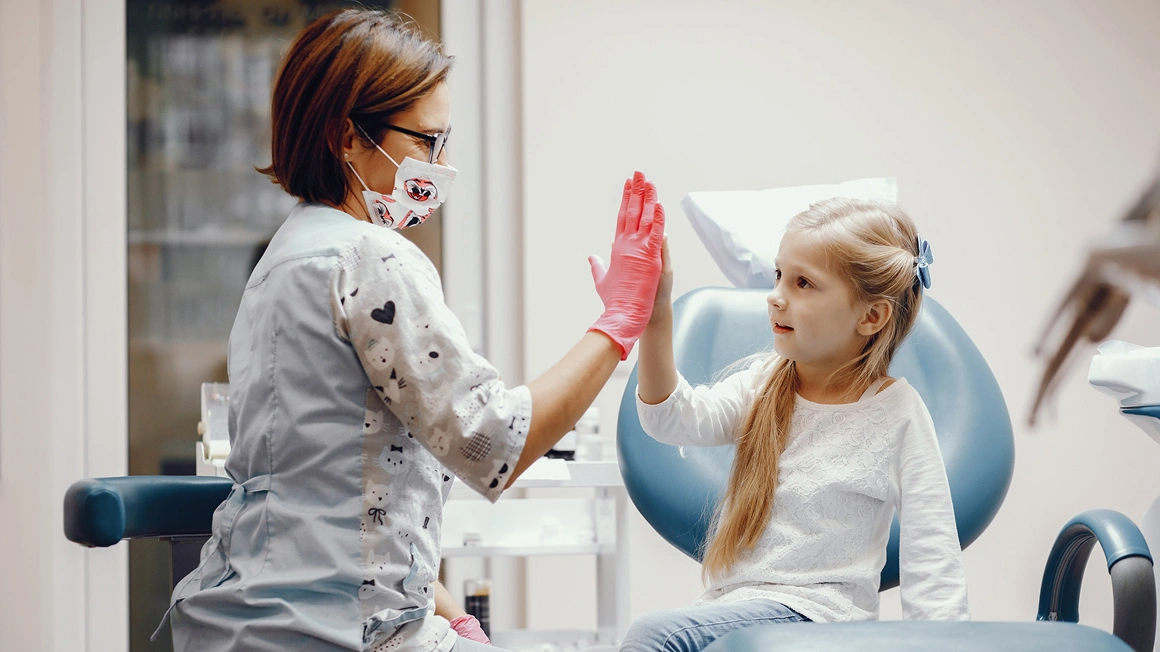
A welcoming environment can help children feel more comfortable before treatment even begins.
Look for a dental office that feels organized, calm, and appropriate for children. Staff members should be patient and comfortable explaining dental procedures in language a child can understand.
A child-friendly environment does not have to mean an elaborate play area. What matters more is whether the team understands children’s behavior and creates a respectful, reassuring experience.
A strong pediatric dental practice should focus on prevention, not only treating cavities after they develop.
Preventive care may include:
The ADA and AAPD emphasize individualized assessment because children’s risk of early childhood caries can vary based on multiple factors.
Parents should understand what the dentist finds, why a treatment is recommended, and what they can do at home to support their child’s oral health.
A good pediatric dental visit should leave you knowing:
Clear communication builds trust and helps parents make informed decisions.
A dentist who understands dental anxiety can help children develop a more positive relationship with dental care.
Children may be nervous because of unfamiliar equipment, previous experiences, fear of pain, or simply not knowing what will happen.
Look for a team that:
The ADA recognizes dental anxiety and previous experiences as factors that can affect how patients respond to dental care.
Both pediatric and family dentists can provide valuable care, but pediatric dentists receive specialized training focused specifically on children’s oral health.
| Factor | Pediatric Dentist | Family/General Dentist |
|---|---|---|
| Primary focus | Infants, children & adolescents | Patients of various ages |
| Pediatric specialty training | Typically additional specialty training | General dental training |
| Child-focused environment | Often designed specifically for children | Varies by practice |
| Preventive pediatric care | Strong focus | Commonly offered |
| Adult dental care | Generally limited | Yes |
| Specialized pediatric behavior management | Specialized focus | Varies by dentist |
The right choice depends on your child’s needs, age, dental history, anxiety level, and the services available at the practice.
The AAPD recommends that a child establish a dental home by 12 months of age, or within six months after the first tooth appears. Early visits allow dental professionals to evaluate oral development, assess cavity risk, provide preventive guidance, and help parents establish healthy habits.
Parents do not need to wait until their child has a cavity or complains about tooth pain.
An early dental relationship can help identify potential problems while they are easier to manage and gives parents practical guidance about brushing, fluoride, diet, pacifiers, thumb-sucking, and other age-specific concerns.
When searching for a “pediatric dentist near me,” prioritize clinical fit and quality of care over distance alone.
Parents in Montgomery County may search for:
Search results can help create a shortlist, but parents should also visit the practice website, review credentials, understand the services offered, and contact the office with questions.
A short conversation with the dental office can reveal whether the practice is a good fit for your child.
Consider asking:
These questions can help you compare a local pediatric dentist based on actual care rather than marketing claims alone.
Consider a five-year-old who becomes nervous whenever someone examines their teeth.
The best choice may not simply be the office with the highest number of online reviews. Parents should look for a team experienced in communicating with young children, explaining procedures gradually, and creating a calm environment.
If the child leaves the first visit feeling comfortable and understands that dental appointments are a normal part of staying healthy, that experience can make future visits easier.
That is one reason the first few dental experiences can matter beyond a single appointment.
Children should receive dental visits according to their individual oral-health needs, rather than following a schedule without considering risk factors.
At routine visits, the dentist may monitor:
The AAPD recommends individualized preventive programs based on factors such as caries and periodontal disease risk.