

When Should You Whiten Your Teeth
Pearly white teeth are a sign of good health and a radiant smile, but they require work to maintain a healthy appearance. Do you know how often to get white teeth and what to do to keep your pearly whites looking their best? Here are answers to all of your pressing teeth maintenance questions. How Often to Whiten the Teeth When it comes to teeth whitening, it’s generally not a one-and-done kind of situation. Most people need to whiten their teeth every few months. Teeth need upkeep just like the rest of the body! They must be whitened every few…
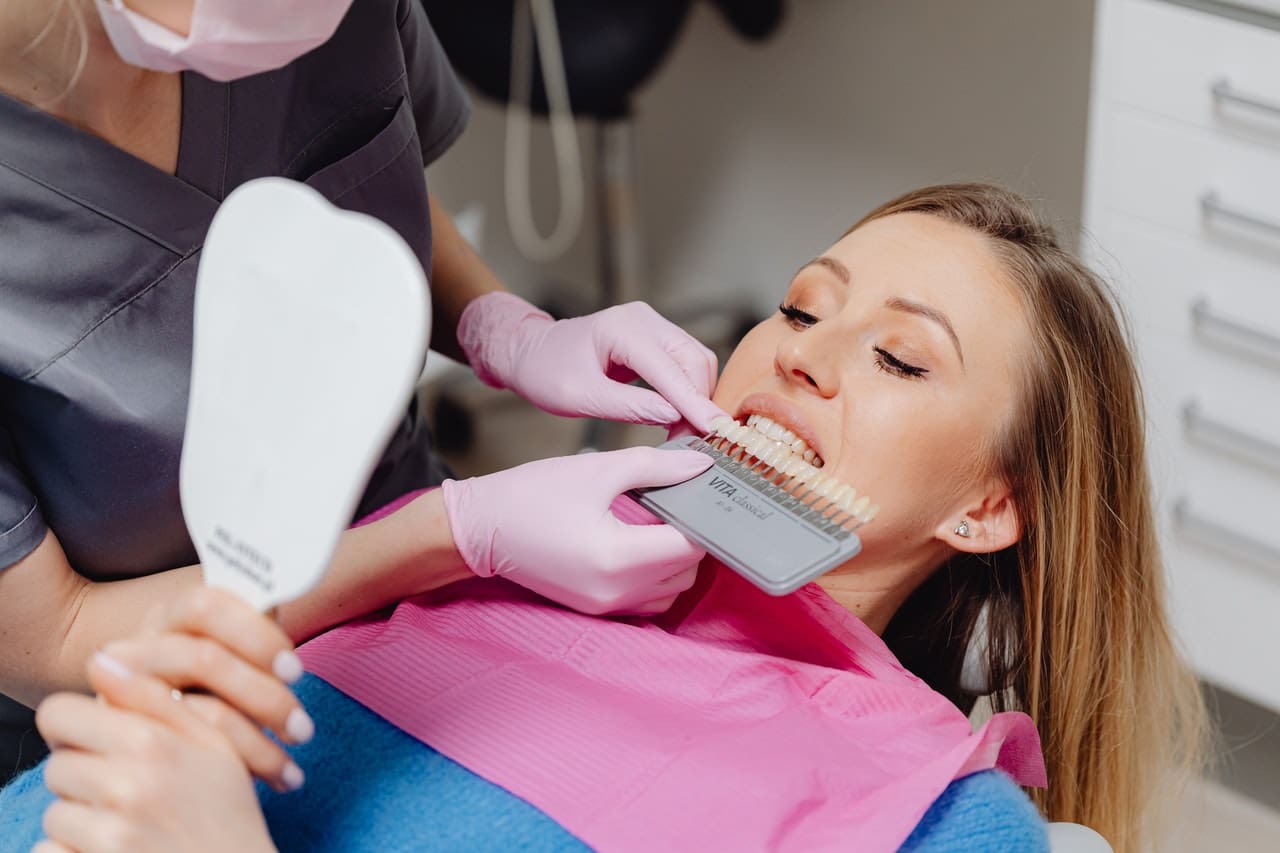
Why Teeth Whitening Should Come before Any Cosmetic Treatments
Before choosing to get any cosmetic dentistry done, you must first get your teeth whitened. This is not only recommended by most cosmetic dentists but is also necessary to get the best results. Getting your teeth whitened is the best place to start if you want to improve your smile for professional or personal reasons. There Are No Pure White Teeth Teeth, even if they are perfectly clean, are not going to be pure white. It is hard to reach perfect white, but most people’s teeth have at least a bit of yellowing, which is perfectly normal. The color of…

Get Busted: Busting the Four Myths of Dental Implants
Even in the past, well-aligned and complete teeth were prized. Our ancestors’ lack of established oral hygiene made these characteristics sought after. Thankfully, we know better and religiously follow known dental hygiene, such as flossing and brushing. However, excellent oral hygiene will not give you a complete set of teeth. You can go old school and try dentures, but why not dental implants? Dental implants are not new technology, but they can help you reconstruct your smile and confidence. However, many still fear having them because of the numerous associated myths. Let us debunk some of them: They Are Too…
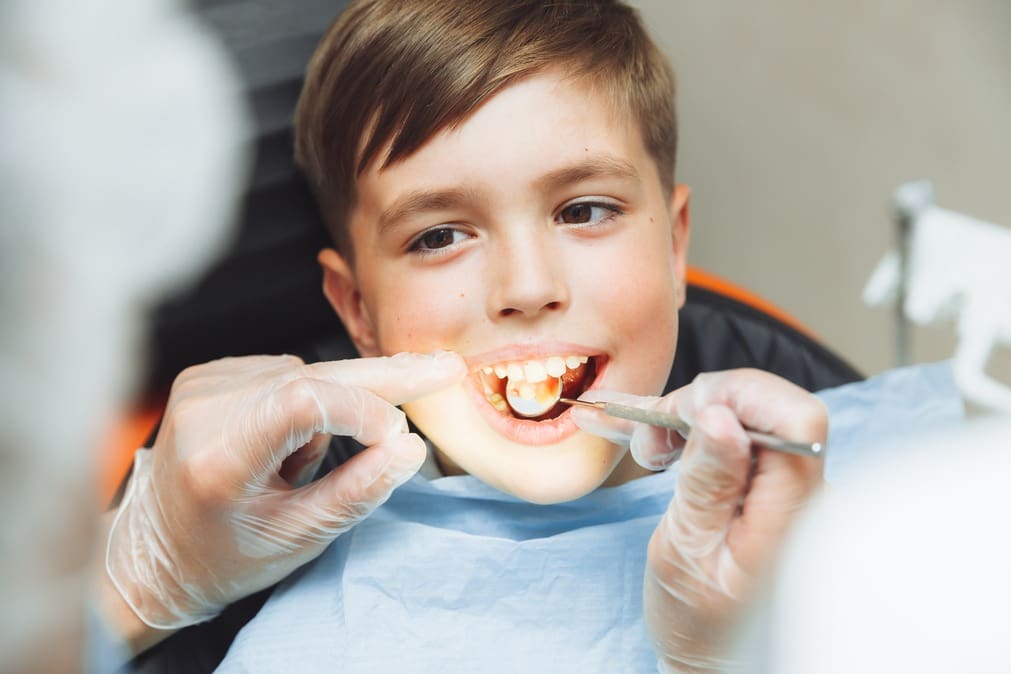
Reasons Your Child Still Develops Tooth Cavities
Cavities in young children can be frustrating, especially when they do not know how to deal with the condition themselves. Generally, early childhood caries are caused by frequent nursing or bottle-feeding from a bottle. That causes the milk to stay in the mouth longer than usual, which provides a fertile environment for certain types of bacteria to grow. A child’s mouth is full of bacteria, but in a healthy mouth, the right mix of bacteria balances each other out and prevents cavities. When milk stays in the child’s mouth, the wrong types of bacteria may flourish, and cariogenic bacteria may…

The Top Dental Makeover Procedures to Consider
Your smile is one of the best things you can offer to people, especially because they make a lasting impression. But not everyone is confident about their smile or the state of their teeth, so it’s perfectly understandable if you’re considering a cosmetic makeover for your teeth. However, if you’re going to spend a large amount of money to improve your smile, you’d want to get maximum value for your money. A procedure to improve the state of someone’s smile should last for as long as possible, with minor touch-ups required from time to time. This means that the materials…
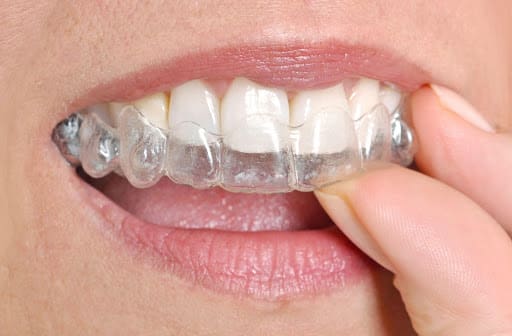
Debunking 5 Invisalign Myths Patients Might Still Believe
Invisalign is the perfect option for people who want straighter teeth without wearing a metal mouthpiece to straighten them. It’s a great way to fix your tooth alignment without anyone noticing that you’re wearing a device. What Is Invisalign? Invisalign braces are orthodontic treatments that improve crooked teeth without traditional metal braces. Invisalign braces are plastic aligners specially customized to shift the patient’s teeth into their correct position. This is often the ultimate solution for those who want straighter smiles. The increasing use of dental Invisalign to treat misaligned teeth is a significant step forward in the evolution of orthodontics.…
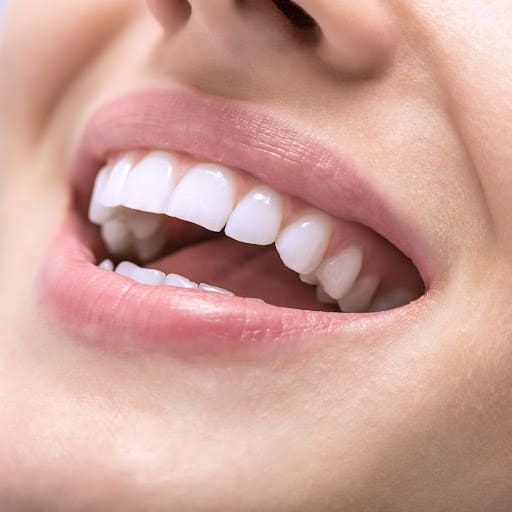
Teeth Whitening: Options, Risks, and Cosmetic Dentistry
If you look up teeth whitening, you’ll find many products and claims about how they work. There are only two options for tooth whitening. You should not expect obvious outcomes if a product does not fall into one of these categories. Bleaching for Natural Teeth Despite what marketers of numerous over-the-counter treatments claim, only one chemical can change the color of teeth. Hydrogen peroxide penetrates the enamel and oxidizes dark-colored molecules within the rigid tooth structure. It bleaches the underlying tooth color by breaking down darkly colored components. The teeth whitening industry is always evolving and researching. Only peroxide compounds,…

7 Medical Conditions That Have a Direct Link to Your Oral Health
Improving whole-person health has become a key focus in health care. A large body of evidence has shown that just as mental illness is associated with heart disease and diabetes, dental problems can exacerbate those and other conditions, such as lupus and rheumatoid arthritis. Improving oral health will reduce medical expenses, but overall health will also improve. The following medical conditions may be associated with poor oral health, so patients need to regularly visit the dentist for preventive dental care. 1. Diabetes and Metabolic Syndrome People with diabetes and metabolic syndrome have a higher risk of periodontitis. The condition, which…

Painless Procedure: All of the Basics about Dental Sedation
There are times when a dentist may sedate them before during a dental procedure. While this may not always be the case, it is definitely required for those methods or treatments that may cause a certain amount of pain while they are tending to the patient’s affected tooth. The dentist will usually explain the types of medications used to the patient before the procedure. They will always tell them what to expect and what the patient may experience. The patient can get an oral sedative, which is used to lessen the discomfort from the pain. They may also have to…

What Are Dental Crowns and How Do They Work: A Guide
Dentists use dental crowns to cap a tooth that has lost its enamel. The crown is used to protect the tooth, provide a stronger chewing surface, and restore its normal shape. Crowns can be made out of metal or porcelain or resin or ceramic, or a combination of materials. If your dentist has recommended that you get a dental crown but are apprehensive because you are unsure of how dental crowns work, this article is for you. What Are Dental Crowns and How Do They Work? A Guide A dental crown is a cap that is placed over the tooth.…